Haiku & Other Poetry, tutto e niente

memory of trees

a spring memory

leaves catching light and raindrops

just for a moment

blooming tree tops and deep roots

lush in the fullness of life

Photo by Adrien Olichon on Pexels.com

then memory fades

light falls on barren branches

shimmering silver   

time scatters like fallen leaves  

ripe with possibilities   
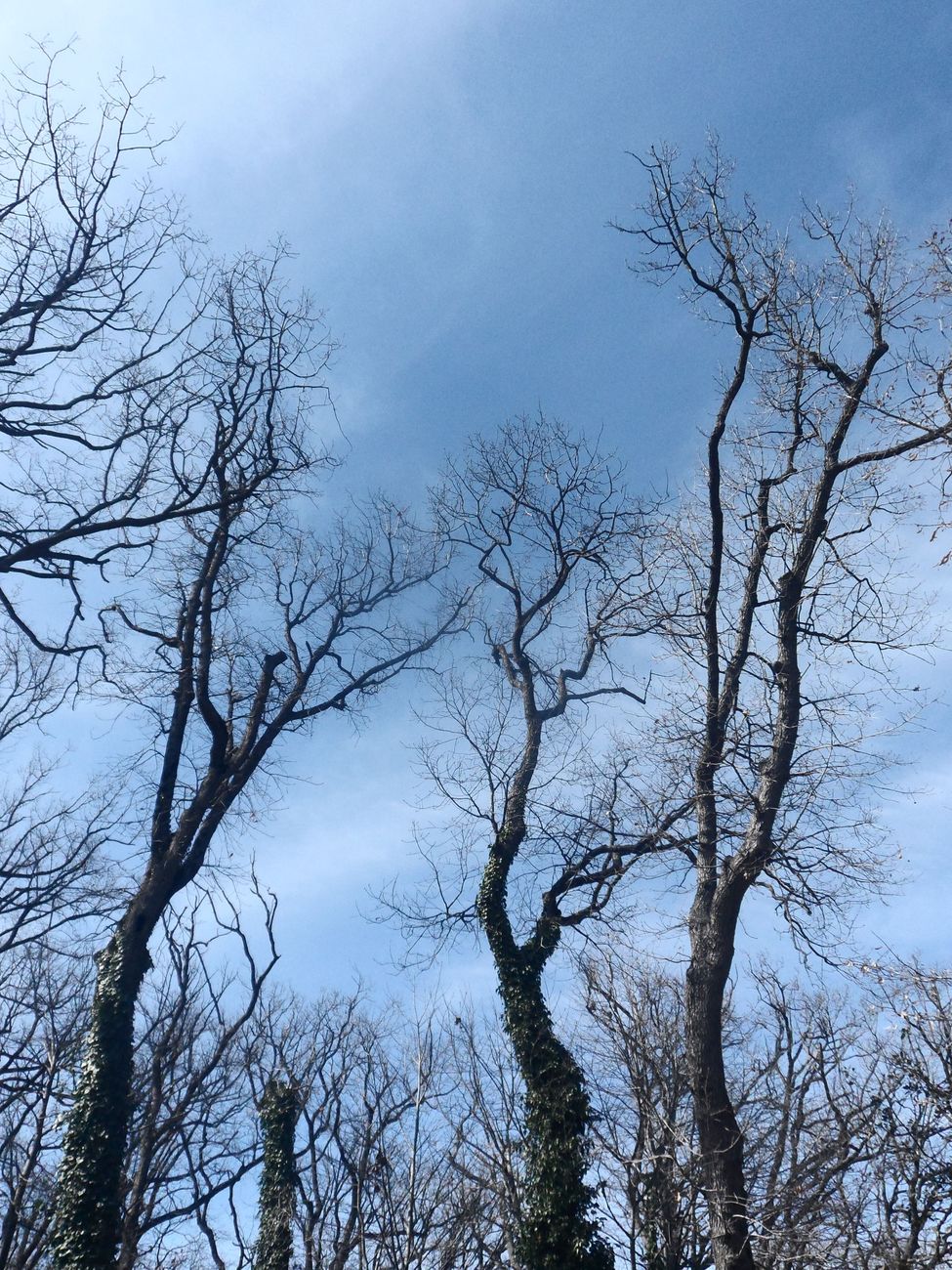
Photo by 1zeys . on Pexels.com

What is a Tanka?

Haiku Society of America definitions committee led by William J. Higginson (published in the HSA Newsletter in early 1994) describes it as follows:

“TANKA. The typical lyric poem of Japanese literature, composed of five unrhymed metrical units of 5,7,5,7,7 ‘sound symbols’; tanka in English have generally been in five lines with a total of thirty-one or fewer syllables, often observing a short, long, short, long, long pattern. Tanka usually need no titles, though in Japanese a ‘topic’ (dai) is often indicated where a title would normally stand in Western poetry. In Japan, the tanka is well over twelve hundred years old (haiku is about three hundred years old), and has gone through many periods of change in style and content. But it has always been a poem of feelings, often involving metaphor and other figurative language (not generally used in haiku). While tanka praising nature have been written, and seem to resemble “long haiku,” most tanka deal with human relationships or the author’s situation. In the words of Sanford Goldstein, “behind the scene is the autobiographical moment of the poet’ (‘Tanka Off the Back Burner,’ Frogpond XV:2 Fall–Winter 1992). The best tanka harmonizes the writer’s emotional life with the elements of the outer world used to portray it.”

Thanks for the chance to share this double tanka meditation on aging (and trees)!

Flash Fiction, tutto e niente

the needle

“Sit still!” she commanded, as I shifted in my chair, “you’ll only feel a pinch.”

Despite her supposedly reassuring words, her eyes gleamed, glassy with malicious anticipation.

Fright prickled the skin on the back of my neck, and I twisted away from the needle.

Maybe I could do try and do a runner.

There must be a road. My mind drifting back, as my body dropped like a sack of potatoes and my vision turned to dust, there must be a road.

Photo by Alena Shekhovtcova on Pexels.com
Haiku & Other Poetry, tutto e niente

hope for my mind’s eye

dust fills my mind’s eye

conjuring a drab vista

as doubt smothers hope

tears transform the dust   

a rainbow lifts the drab sky

and hope muddles doubt


Photo by Kristina Kutleu0161a on Pexels.com

I’m all about the ying/yang again today.

Our daily Three Things Challenge words are the following:


DUST
DOUBT
DRAB

For more details click below: 


Haiku & Other Poetry, Random Rants, tutto e niente

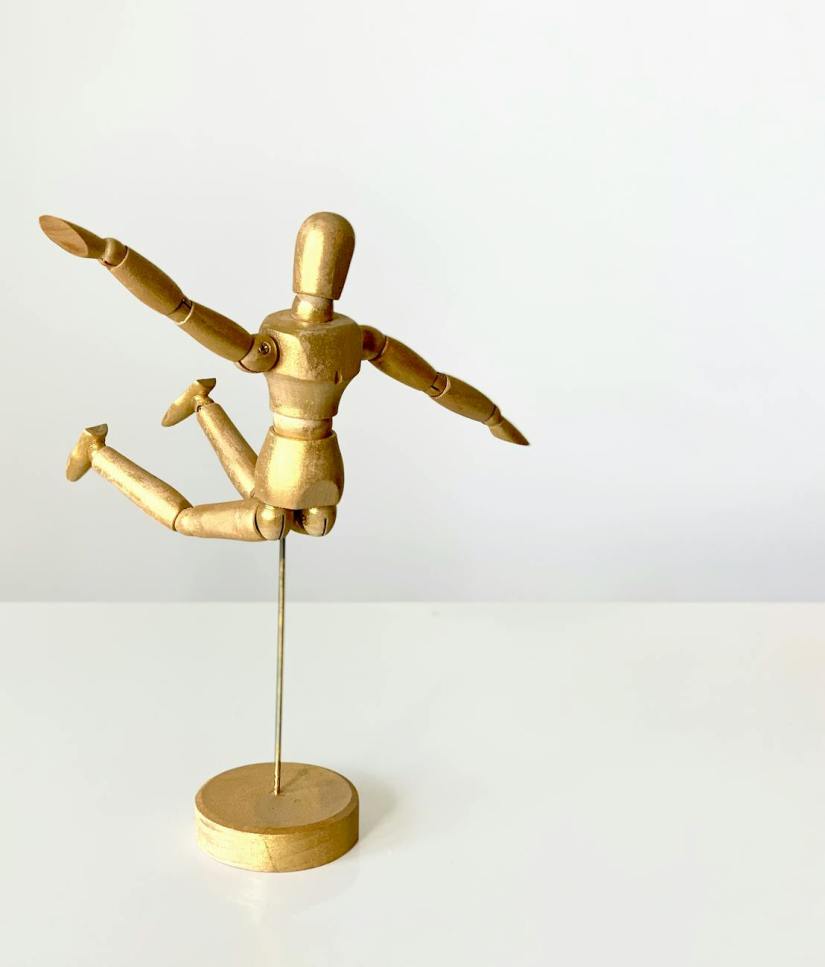
wishful thinking

properly mad

the top spins a tall tale

of a glittering lad

too great to fail


but great can be bad

and fake glitter corrodes

so properly mad

the foundation implodes


properly mad

the broken top tries to spin

but it wobbles and falls (SAD)  

and finally We the People win      


Photo by Kulbir on Pexels.com


Thanks to FOWC for this chance to vent some wishful thinking in awkward verse.

To all participating in NO KINGS tomorrow, thank you and take care!


Flash Fiction, Random Rants, tutto e niente

Feeding the Resistance: One Bunny at a Time

Why so glum?

Well … March came in like a lion, and it looks like it’s going out that way as well, not an effing lamb in sight; plus everything is so egregiously awful, how can you NOT be glum?

I just think about the Easter Bunny.  

For crying out loud, you’re a full-grown person!

Which is why I’m focusing on the Bunny, because, as Cormac McCarthy said “…you fix what you can fix, and you let the rest go,” and for me, snapping the head off a solid-chocolate bunny sounds like the perfect way to let go while plotting the revolution.

Aaah … Vive la revolution and the Bunny!


Photo by Adam Stuart on Pexels.com

It’s been awhile since I’ve written so thanks to the following for my inspiration.