I am holding hope
nestled in my bleeding heart
to care more not less
an effort worth the heartache
to begin the end of this

Writer. Feminist. Historian. Person.
1. Do you drive, and can you remember your first car? I’m from a midsize midwestern city in the US so driving was a given. Once I got my license (at 16) I shared a car with my dad. It was a red 5-speed (manuel) Toyota Corolla. He got it during the day to drive to work (so I still had to take the bus to school) but I had it at night and on weekends. Loved that car!!
2. Have you ever ice skated? Like driving, ice skating is a given in a midwest town. I had my own white leather figure-skating style ice skates. We skated at the city park ice rink but also on the lake. Learning to do a halfway decent spin was my crowning achievement.
3. What was your favourite sport at school? Ice skating and bike riding were not school sports, so the answer would be NONE. I have horrible memories of kickball and dodgeball and softball and basketball and ….
4. What was the last movie you saw at the cinema? I’ve seen two movies in a theater in the last five-ish years: Project Hail Mary and Barbie. Fist my bump!
Gratitude: Check back with me tomorrow. I’m too fearful about the elections to channel much gratitude this morning.

Thanks for the inspiration.
her remorse glimmers gray and pale
a graveyard penance for lost times
tattered like a ghostly veil
the lover pines
she bows her head
fragments cut like a crown of thorns
still she holds the memory of the dead
the lover mourns
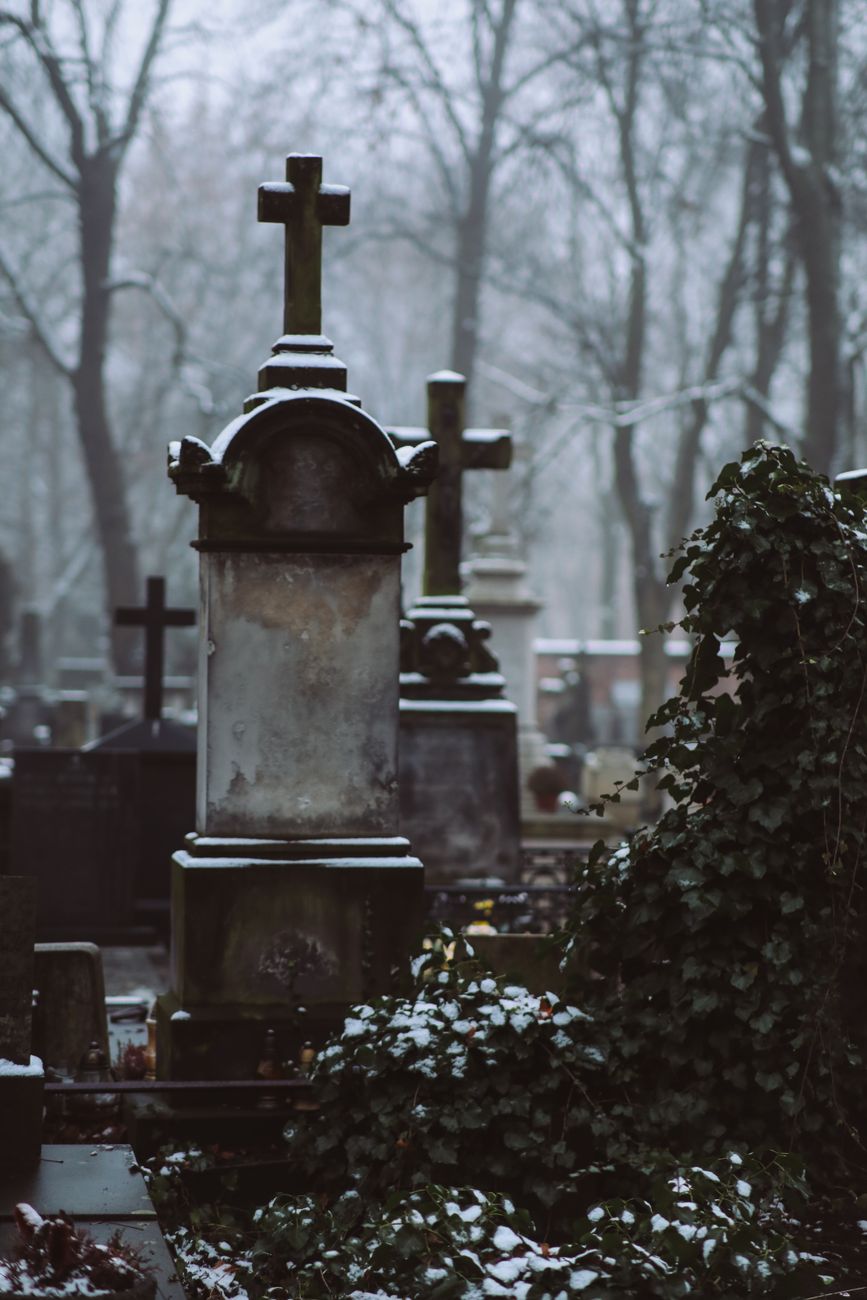
I gave it my best effort but I couldn’t get “folk” to fit. Oh well. Thanks for the inspiration Brenda.
Here’s the Sunday Wordle words: dead pines penance mourns folk glimmer graveyard remorse ghostly fragments lover shadowy
And please visit at
a spring memory
leaves catching light and raindrops
just for a moment
blooming tree tops and deep roots
lush in the fullness of life
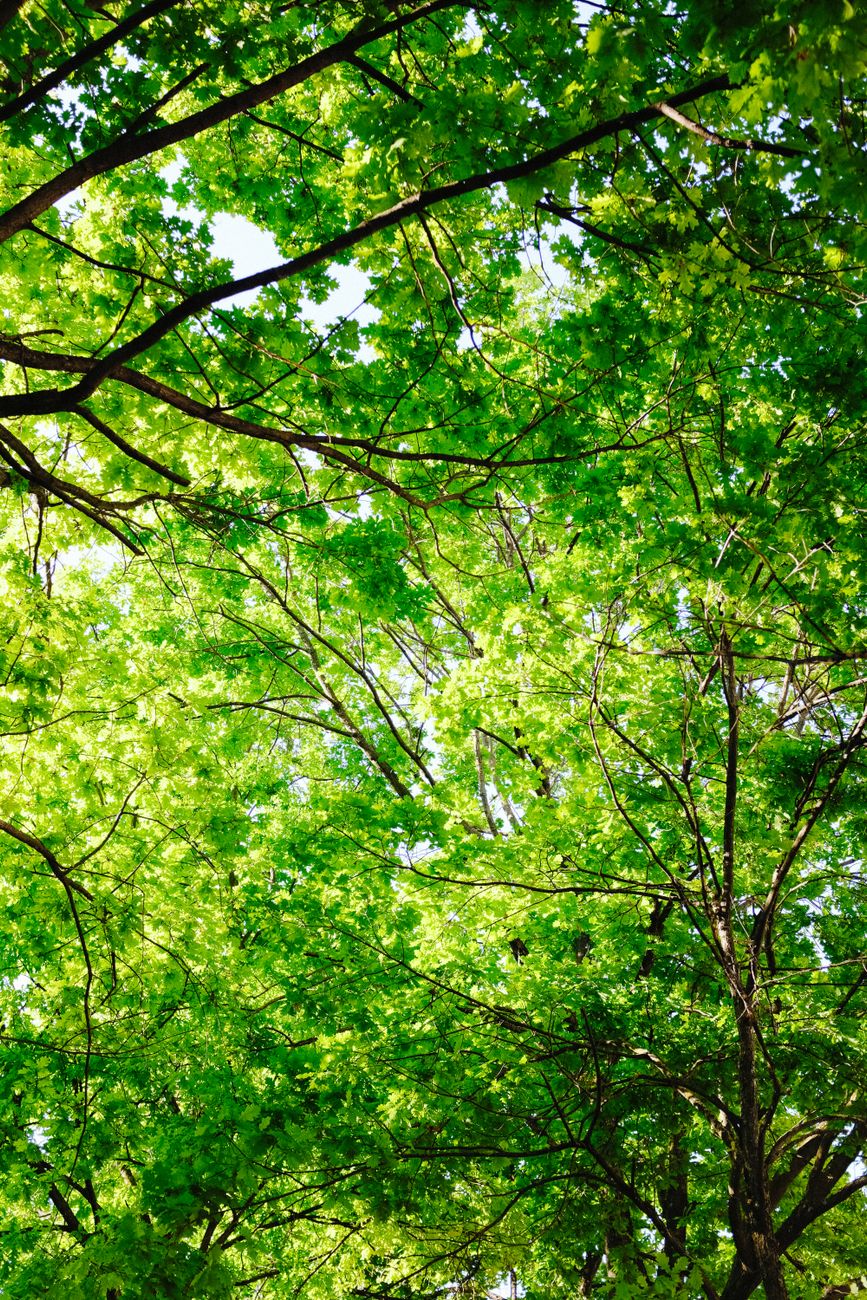
then memory fades
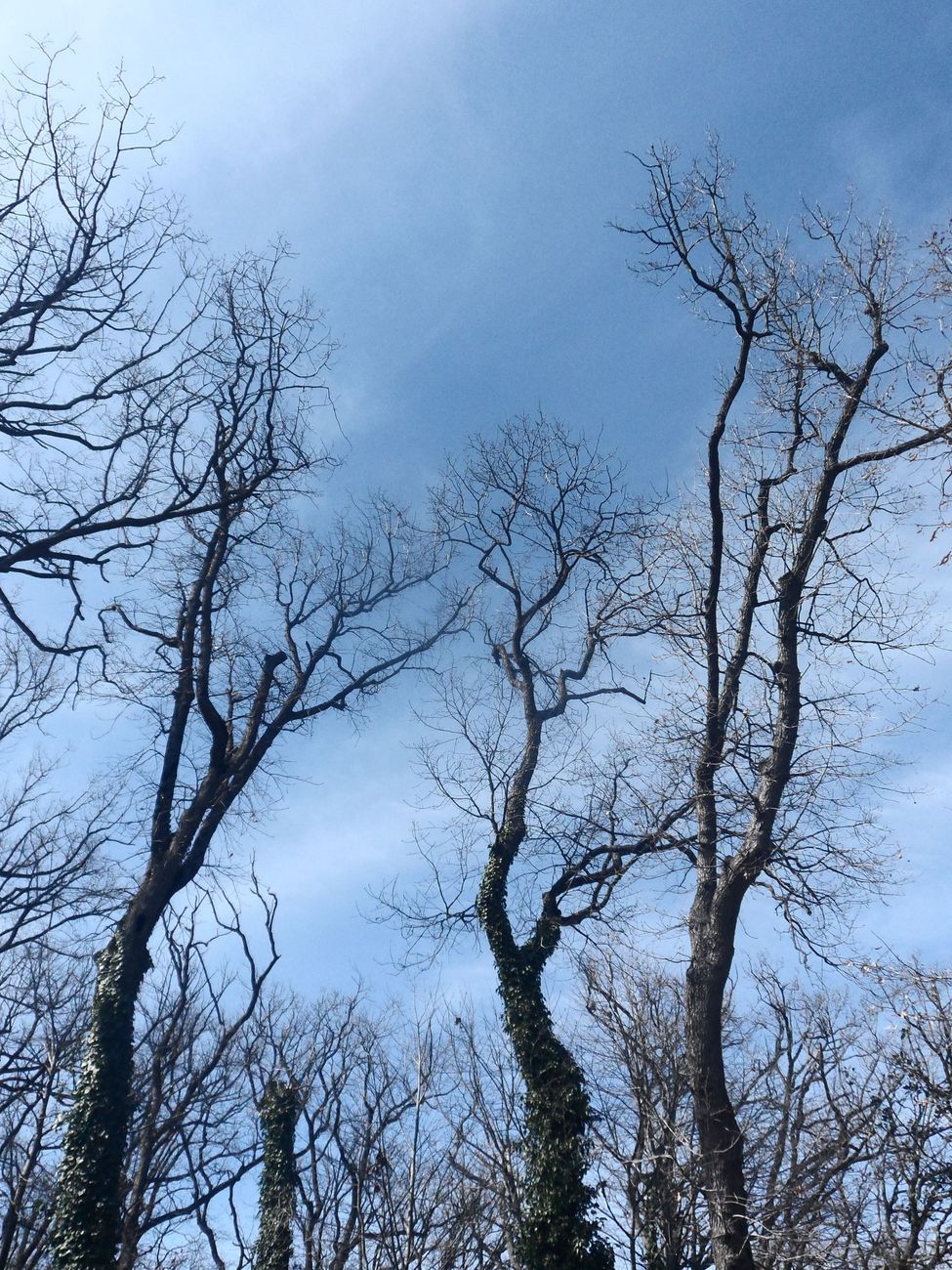
light falls on barren branches
shimmering silver
time scatters like fallen leaves
ripe with possibilities
What is a Tanka?
Haiku Society of America definitions committee led by William J. Higginson (published in the HSA Newsletter in early 1994) describes it as follows:
“TANKA. The typical lyric poem of Japanese literature, composed of five unrhymed metrical units of 5,7,5,7,7 ‘sound symbols’; tanka in English have generally been in five lines with a total of thirty-one or fewer syllables, often observing a short, long, short, long, long pattern. Tanka usually need no titles, though in Japanese a ‘topic’ (dai) is often indicated where a title would normally stand in Western poetry. In Japan, the tanka is well over twelve hundred years old (haiku is about three hundred years old), and has gone through many periods of change in style and content. But it has always been a poem of feelings, often involving metaphor and other figurative language (not generally used in haiku). While tanka praising nature have been written, and seem to resemble “long haiku,” most tanka deal with human relationships or the author’s situation. In the words of Sanford Goldstein, “behind the scene is the autobiographical moment of the poet’ (‘Tanka Off the Back Burner,’ Frogpond XV:2 Fall–Winter 1992). The best tanka harmonizes the writer’s emotional life with the elements of the outer world used to portray it.”
Thanks for the chance to share this double tanka meditation on aging (and trees)!
to those who’ve lost their way
and mourn the songs of old
hear her song of gold
let it lift you in its sway
its melody weaving hope for this new day
as her harmonies take hold
like sweet nectar for the bold
and a cure those who’ve lost their way

Choosing hope today … or I’m trying!

