a spring memory
leaves catching light and raindrops
just for a moment
blooming tree tops and deep roots
lush in the fullness of life

then memory fades
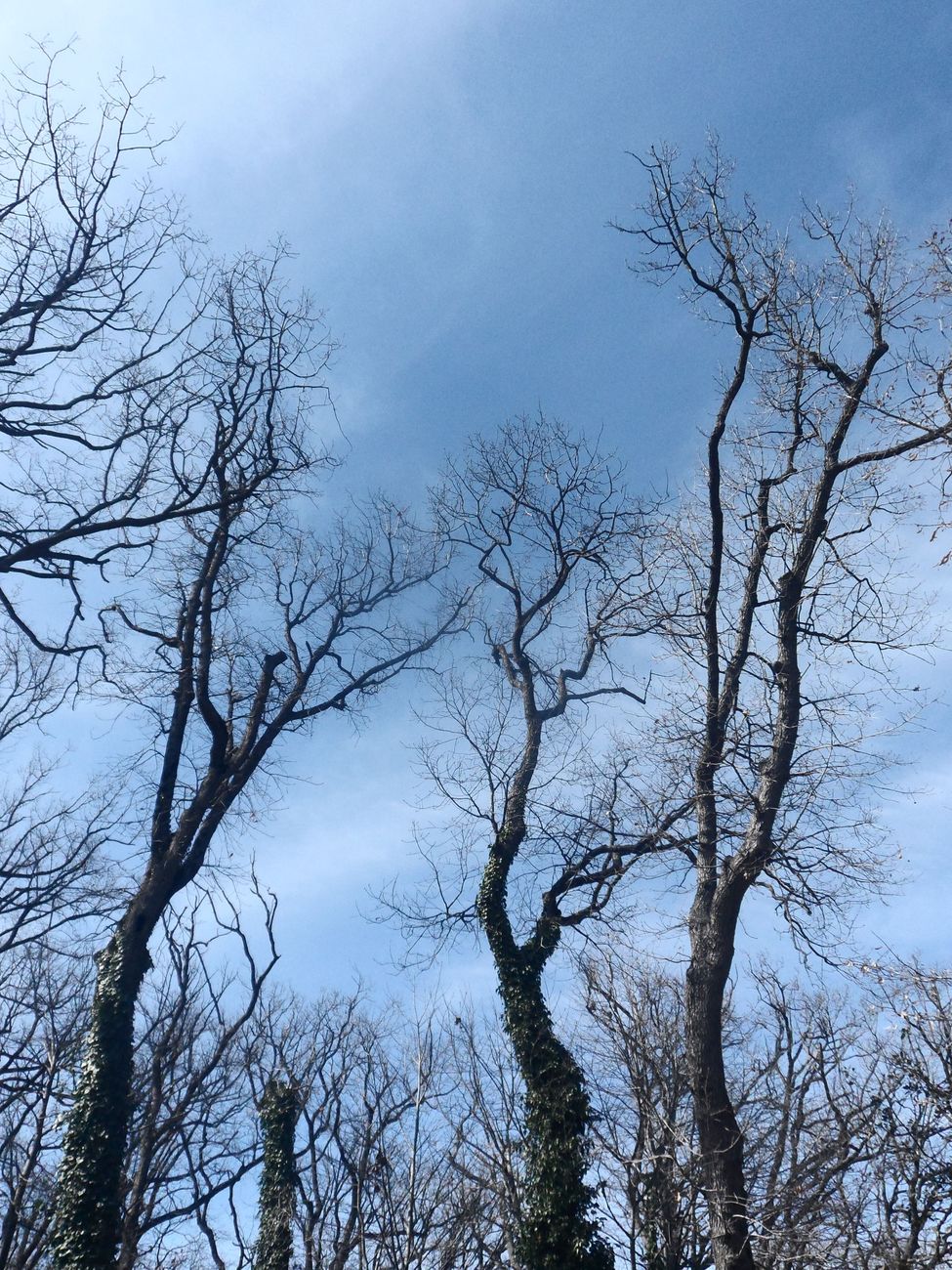
light falls on barren branches
shimmering silver
time scatters like fallen leaves
ripe with possibilities
What is a Tanka?
Haiku Society of America definitions committee led by William J. Higginson (published in the HSA Newsletter in early 1994) describes it as follows:
“TANKA. The typical lyric poem of Japanese literature, composed of five unrhymed metrical units of 5,7,5,7,7 ‘sound symbols’; tanka in English have generally been in five lines with a total of thirty-one or fewer syllables, often observing a short, long, short, long, long pattern. Tanka usually need no titles, though in Japanese a ‘topic’ (dai) is often indicated where a title would normally stand in Western poetry. In Japan, the tanka is well over twelve hundred years old (haiku is about three hundred years old), and has gone through many periods of change in style and content. But it has always been a poem of feelings, often involving metaphor and other figurative language (not generally used in haiku). While tanka praising nature have been written, and seem to resemble “long haiku,” most tanka deal with human relationships or the author’s situation. In the words of Sanford Goldstein, “behind the scene is the autobiographical moment of the poet’ (‘Tanka Off the Back Burner,’ Frogpond XV:2 Fall–Winter 1992). The best tanka harmonizes the writer’s emotional life with the elements of the outer world used to portray it.”
Thanks for the chance to share this double tanka meditation on aging (and trees)!


There are lovely tanka, Tina. It’s good to see you again. 💜
LikeLiked by 1 person
Thank you! Life has been lifing of late
LikeLike
Beautiful poem, Tina!
Yvette M Calleiro 🙂
yvettemcalleiro.blogspot.com
LikeLike
It’s a beautiful poem my friend
LikeLike
I love how you capture the passage of time, my heart goes especially with with light and raindrops, I love those particular moments.
LikeLiked by 1 person
thank you so much!
LikeLiked by 1 person
Very welcome Tina.
LikeLiked by 1 person
“time scatters like fallen leaves”
Love that.
LikeLike