Haiku & Other Poetry, tutto e niente

memory of trees

a spring memory

leaves catching light and raindrops

just for a moment

blooming tree tops and deep roots

lush in the fullness of life

Photo by Adrien Olichon on Pexels.com

then memory fades

light falls on barren branches

shimmering silver   

time scatters like fallen leaves  

ripe with possibilities   
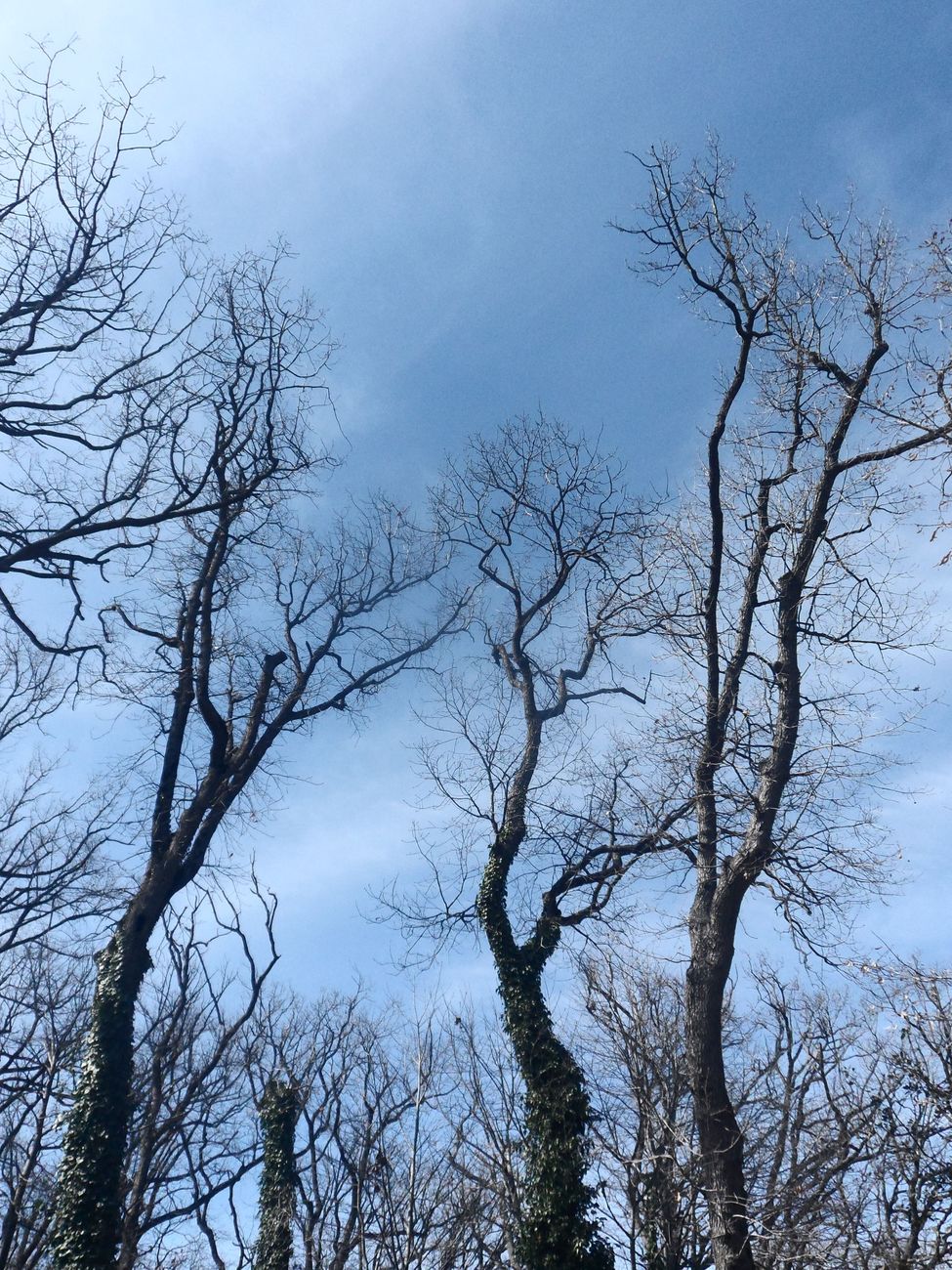
Photo by 1zeys . on Pexels.com

What is a Tanka?

Haiku Society of America definitions committee led by William J. Higginson (published in the HSA Newsletter in early 1994) describes it as follows:

“TANKA. The typical lyric poem of Japanese literature, composed of five unrhymed metrical units of 5,7,5,7,7 ‘sound symbols’; tanka in English have generally been in five lines with a total of thirty-one or fewer syllables, often observing a short, long, short, long, long pattern. Tanka usually need no titles, though in Japanese a ‘topic’ (dai) is often indicated where a title would normally stand in Western poetry. In Japan, the tanka is well over twelve hundred years old (haiku is about three hundred years old), and has gone through many periods of change in style and content. But it has always been a poem of feelings, often involving metaphor and other figurative language (not generally used in haiku). While tanka praising nature have been written, and seem to resemble “long haiku,” most tanka deal with human relationships or the author’s situation. In the words of Sanford Goldstein, “behind the scene is the autobiographical moment of the poet’ (‘Tanka Off the Back Burner,’ Frogpond XV:2 Fall–Winter 1992). The best tanka harmonizes the writer’s emotional life with the elements of the outer world used to portray it.”

Thanks for the chance to share this double tanka meditation on aging (and trees)!
Haiku & Other Poetry, tutto e niente

what if

what if magic is the true key

not illogical or absurd

but the spell that sets us all free


what if magic is the true key

where you and I awoke as we

ideas shared with a secret word

not illogical or absurd


what if magic is the true key

Photo by u5927 u8463 on Pexels.com

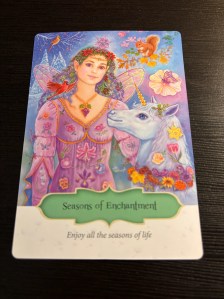
 Inspired by many things including the RDP prompt (ABSURD) and the call to visualize joy, for which I chose the Seasons of Enchantment card. It brought to mind my happy place: a magical world where joy abounds.

Plus, I’m still having fun with the Triolet, which is an 8-line poem where lines repeat in a beautiful rhythm:

Lines 1, 4, and 7 are the same, and lines 2 and 8 are also repeated.

The rhyme scheme looks like this: ABaAabAB (uppercase = repeated lines).

If you’d like to make it a little trickier, try writing each line with 8 syllables (iambic tetrameter, the classic French style) — or challenge yourself with 10 syllables per line (the English version). I chose the 8-syllable version tonight.

Haiku & Other Poetry, tutto e niente

it’s dark at 4pm! (a haiku)

in the dead of night

seduced by a false prophet

time’s veil falls again  

Photo by Ricky Esquivel on Pexels.com


This is my ode to the horror of the November “fall back” time change. It messes up my sleep and it really does get dark by 4:30pm. ARGGG! Thanks to Yvette and Tanka Tuesday for the inspiration to vent. 


Haiku & Other Poetry, tutto e niente

the end of the beginning of the end

walk me to the door

the end of the beginning

light repels the dark

the dark absorbs the twilight

the beginning of the end

Photo by Eugene Shelestov on Pexels.com


Time passes so quickly. I find myself reflecting on beginnings and endings and the lights and darks of the middle. Thanks to FOWC (WALK) and Tanka Tuesday (REPEL/ABSORB) for the inspiration.