a moon so intense
I imagine heroin
unguarded wonder
my mind immersed in brightness
trying to find my way home
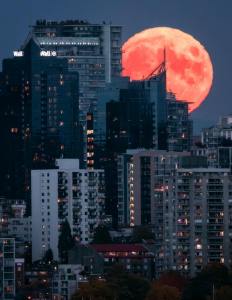
Thanks for the inspiration to FOWC and Tanka Tuesday.
Writer. Feminist. Historian. Person.
a moon so intense
I imagine heroin
unguarded wonder
my mind immersed in brightness
trying to find my way home
Thanks for the inspiration to FOWC and Tanka Tuesday.
an open doorway
eyes open as you step up
your heart unguarded
an all or nothing wager
endless possibilities

I was inspired by two challenges today.
Reena’s xploration challenge invited us to explore the space of Passages, Doorways, Thresholds, and/or Transitions, which dovetailed beautifully with dVerse Poets Banned Book challenge. As an avid ally for the trans/non-binary community, I was drawn to the following quote from Susan Kuklin’s book Beyond Magenta.
… my subjects’ willingness to brave bullying and condemnation in order to reveal their individual selves makes it impossible to be nothing less than awestruck.”
Check out both sites for more information on the challenges and for some great writing.
Alternating verses By Tina and David
trace the shadowed lanes
the mind’s meaning hidden still
veiled in the dim light
chamberstick nears old keyhole
air tightens around the glow
wax seeps through cracks
that lost melody flickers
a dance remembered
warm mold on cool skin
death accepts this final cast
breath displaced by form
silence meets the needle scratch
the melody lost again
hands draw thread through gauze
grief hums softly in the weave
~ memory is held
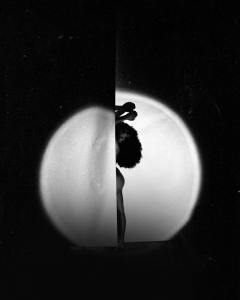
This week I tried something new by writing a rengay with David from The Skeptic’s Kaddish.
I hope you like it as much as I enjoyed the process. Visit David’s site for more inspired bits of poetry.
What is a rengay? Rengay is a form of linked verse created as an alternative to Japanese renga or renku. The form was devised by Garry Gay in California in 1992. A rengay consists of six thematic haiku verses and is normally composed by two or three poets, although solo and six-person rengay are not uncommon. You can read more about this form HERE.
in the shade
possibilities
impatient
waiting for sunlight
still in the moment
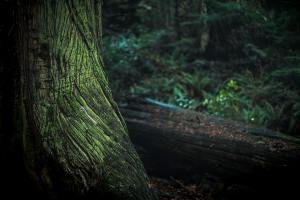
Feeling all the things this morning. Thanks to Esther for a great prompt word: SHADE.
autumn’s latibule
good books and a warm blanket
a haimish retreat

 Tina Stewart Brakebill