plaid skirts and crew socks
punch dripping from plastic cups
shiny new bow ties
eyes meet as the band played on
pleading for just one more song
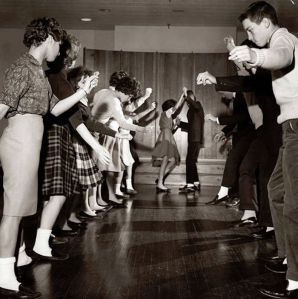
Before my time but the words took me to someone else’s nostalgia 🙂
Writer. Feminist. Historian. Person.
plaid skirts and crew socks
punch dripping from plastic cups
shiny new bow ties
eyes meet as the band played on
pleading for just one more song
Before my time but the words took me to someone else’s nostalgia 🙂
I must vent, he roared.
Cracking open the window,
he cried as he fell:
What about the price of eggs!
Now, he’s the one cracked open.

Today’s three words for pensitivity’s challenge are:
UPLIFT
VENT
WINDOW
Sadly, I could find no uplift. Maybe tomorrow.
casting out the trash
until, the vessel empty
we usher in hope
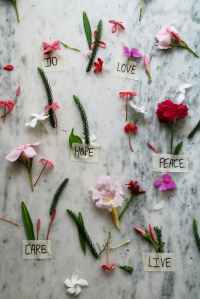
Welcome to pensitivity’s daily Three Things Challenge.
Use your imagination and creativity using one, two or all three words that may or may not be related. There are no restrictions regarding length, style, or genre, though please keep it family friendly.
TRASH
USHER
UNTIL
time crawls and I vow
rye to sooth my looming dread
‘til the day dawns blue
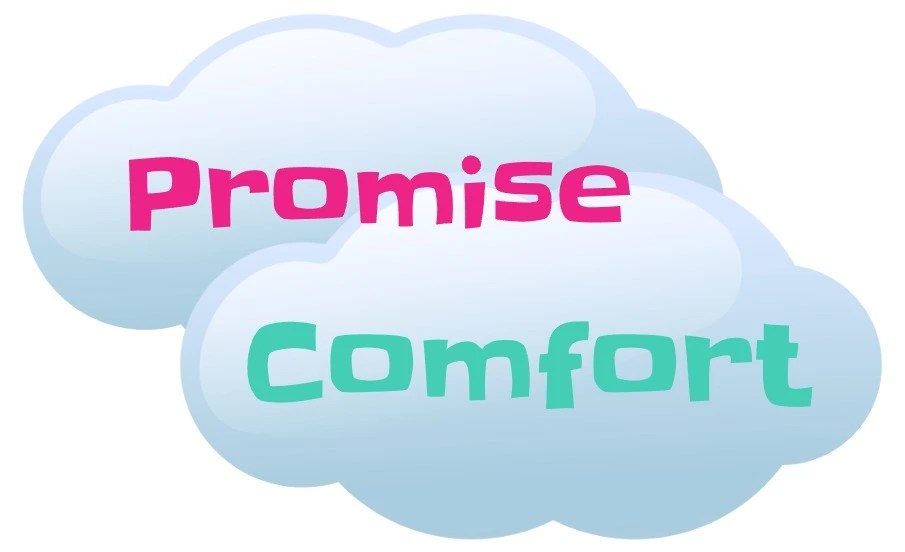
Welcome to Tanka Tuesday. This week is Synonyms Only. That means you will be using synonyms for the given prompt words.
Today, I wrote a senryu that sums up the state of my current “human condition.”
What is a senrue?
A form with 3 or more lines following the short-long-short, 3-5-3, 2-3-2, (5-7-5 traditional) approximately twelve syllables. Senryu do not rhyme, nor do they contain metaphors and similes.
A senryu is written about love, human foibles relating to a personal event, and should have an element of irony present somewhere in the form. Humor and sarcasm are two of the most favorable elements in a senryu. But not always… think in tone. What is the tone of your senryu?
Senryu focus on the awkward moments in life making the human, not the world around them, the subject of their creative endeavor. Senryu poetry deals with the human condition. The most important distinction between haiku and senryu is the tone of your poem.
Think of it this way: Haiku wants to create a feeling, while senryu wants to make a point.
Focus on sexual matters, family relations, religion, politics, and anything that touches on the pain we experience through sorrow, prejudice, oppression, anger, and frustration. Humor and sarcasm are two of the most favorable elements in a senryu. No title.

 Tina Stewart Brakebill