The year I was five my grandfather left the house every day before dawn. My mom would pack his green cooler with food. He’d put on his boots, grab his yellow bag of tools, and then head out the door with his guide dog Bud and a cheery “Going to guard the castle.”
Every day I’d beg to come along. And every day he’d tell me “maybe when you’re older.”
Then one day, Bud came home but my grandfather didn’t. So I followed Bud back to the castle.
It was just as I always imagined. Except for the flashing lights.
“To find what you seek, unlock the castle doors. Precious beyond words. But only words will open the way.”
“Open sesame!”
“Abracadabra”
“Shazam”
No luck. Jane’s heart was trapped behind those doors and they’d made it a game. But she was good at games. Think! Hours passed. Then she remembered. Gandalf! Say friend and enter!
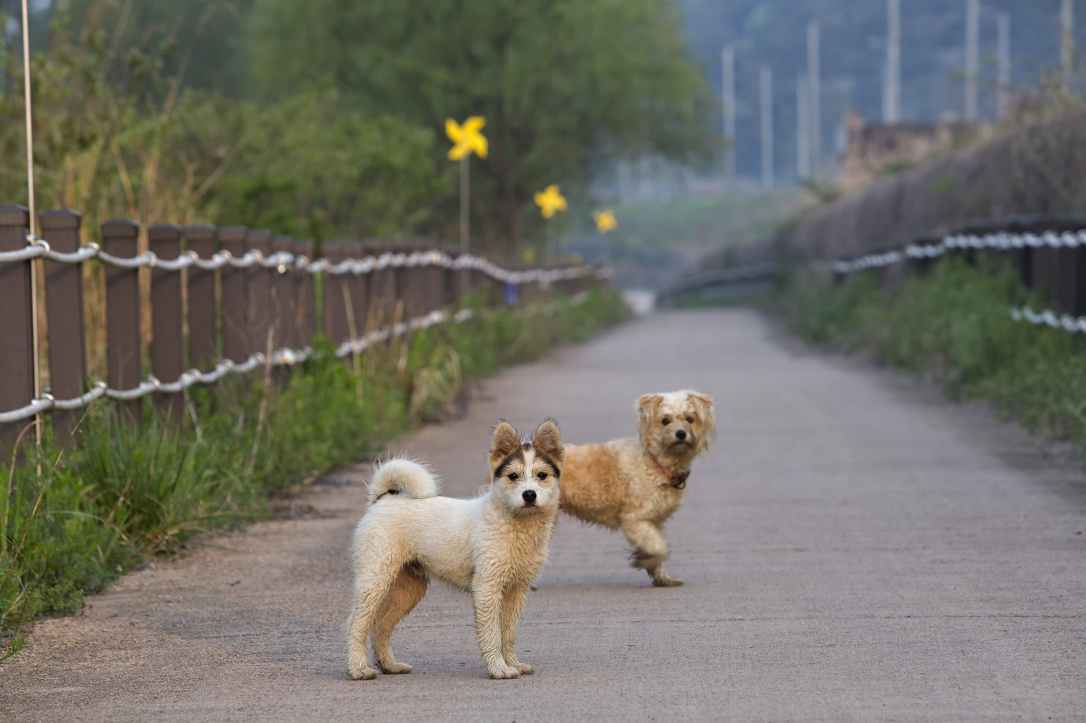
When I was a kid, dogs freely roamed the neighborhood. No leashes or fences to keep them tethered. The whole world was their dog park! That sounds wonderful in a naïve nostalgic way. But, in reality, it meant they were free to travel in packs and chase cars and dump over garbage cans and poop everywhere and terrorize children or the mailman or the milkman. Most owners made some sort of effort to keep their pups under control, but there was always at least one neighborhood dog that the other neighbors condemned as that “mangy mutt.” No doubt, the children had enthusiastically picked out Fido or Queenie at the “pound” (as we called it back in the day) with the sincerest intentions. But then school or baseball or choir practice or cheerleading or debate club or innumerable other things grabbed their attention. Queenie or Fido became an afterthought. If someone remembered, they set out food and water but mostly the dogs seemed to revert to their instincts (Call of the Wild style) and take care of themselves. This was not a great solution for the dogs or the neighborhood. Resentment would build. Sometimes vague (or not so vague) threats would be made: “If that damned mangy mutt bites my kid, you’ll be sorry!” And eventually something bad would happen. Fido might get hit by a car or Queenie would bite the milkman (or a kid) and then overnight they’d disappear. Where? Off to a farm where they could roam and play (at least that’s what my parents would tell me.)
Photo by SplitShire on Pexels.com
And speaking of milkmen, “what’s that?” the youngsters may ask. Well …when I was a kid, a man in a truck (and it was always a man because women weren’t allowed to have jobs driving trucks) brought bottles of milk to the house. He put them into a metal box on the front porch early in the morning, so they were there when we woke up. Again, sounds great. Fresh milk every morning! No trip to the store needed. No human interaction required. It’s a millennial’s idea of heaven. (If the milk is soy or almond or not milk at all but kombucha or kava.) In reality, it wasn’t always so great. If you were gone and forgot to cancel a delivery then the milk would spoil. DISGUSTING. Or if you slept late in the summer, it would get warm (YUCKY!) because that metal box wasn’t magic. Or the milk could get stolen or the bottles could be used as a tool for vandalism. Plus, speaking from painful experience, if you fell off the box (even though your mom has yelled repeatedly to “Get off the milk box. You’ll break it!) then the lid’s jagged edges rip your leg into bloody shreds. (Scars still visible 50 years later.)
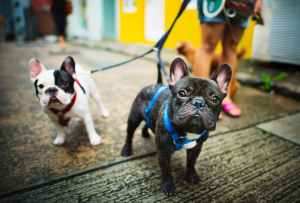
Still … it’s sometimes tempting to think of those times fondly. Neighborhood puppies and fresh milk: it’s like a Norman Rockwell painting. But, like most things idealized about the past, it’s only pretty if we ignore the poop and the sexism and the neglect and the bloody shreds. No thanks. I’ll take leash laws and store-bought (almond) milk.


 Tina Stewart Brakebill